aboutとは 意味・読み方・使い方
追加できません
(登録数上限)
意味・対訳 …について(の)、…に関して、…に対して、…に従事して、…に取りかかって、…のあたりに、…の近くに、…のあちこちに、…の方々に、…ごろ(に)
| 覚え方 |
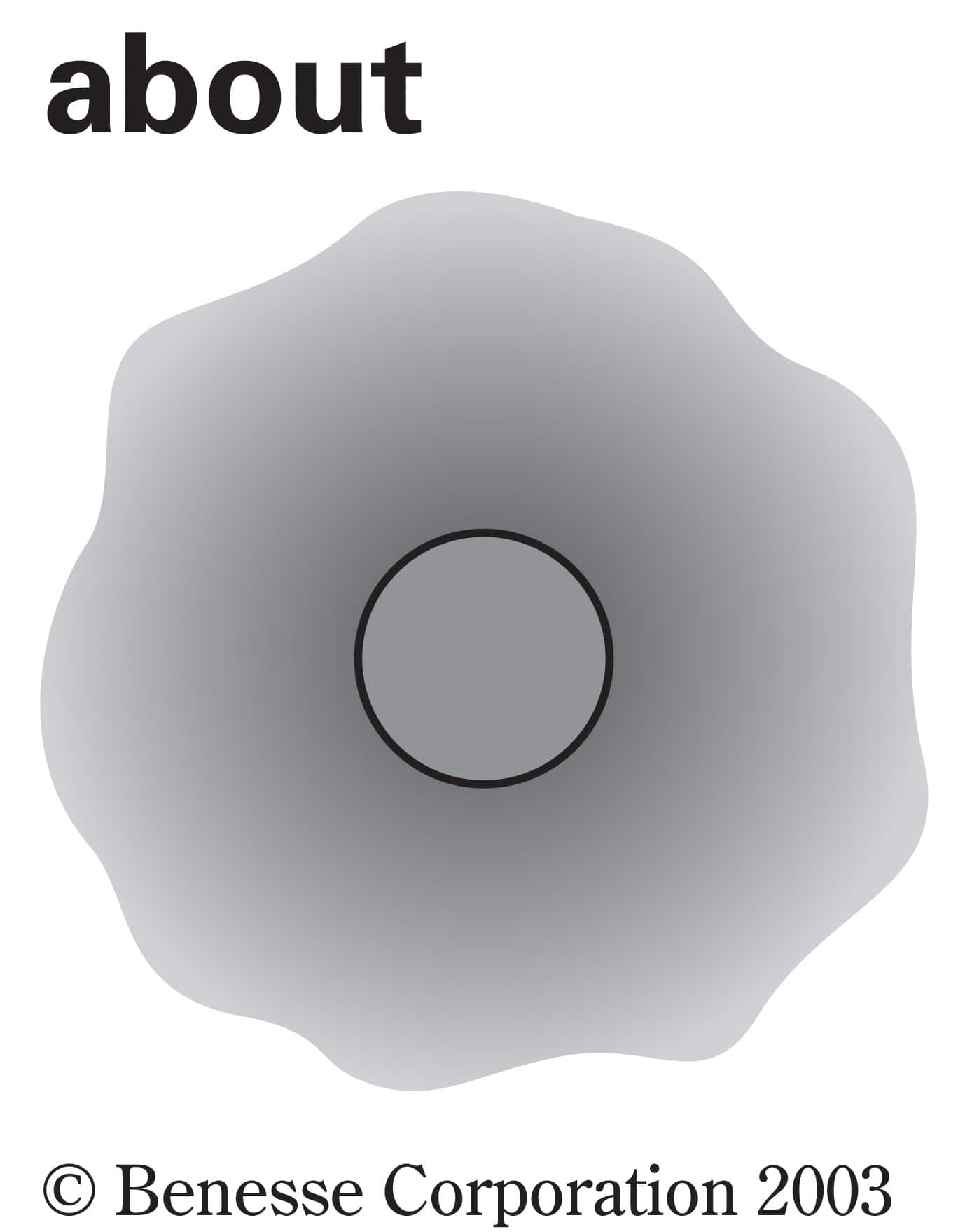
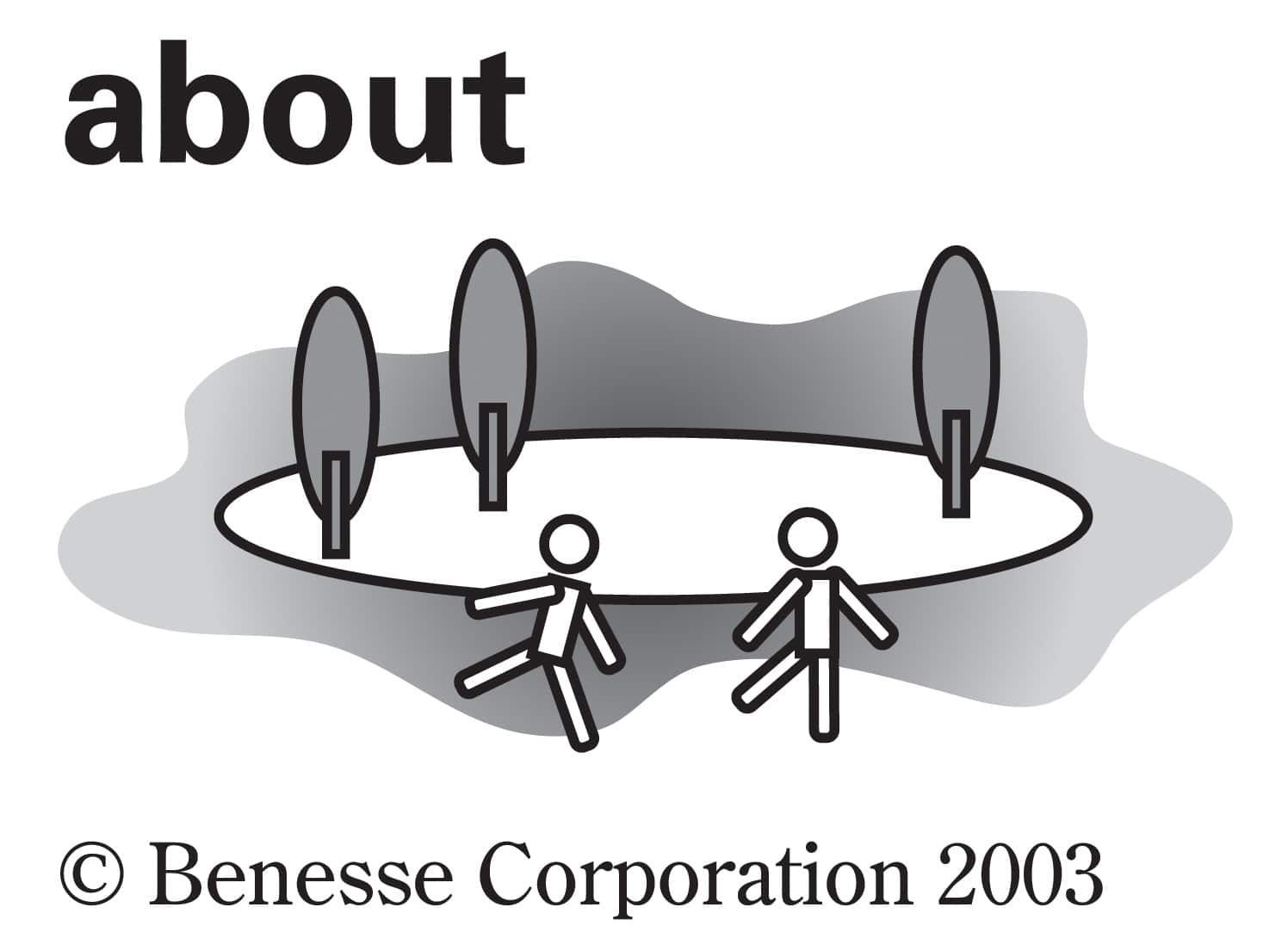
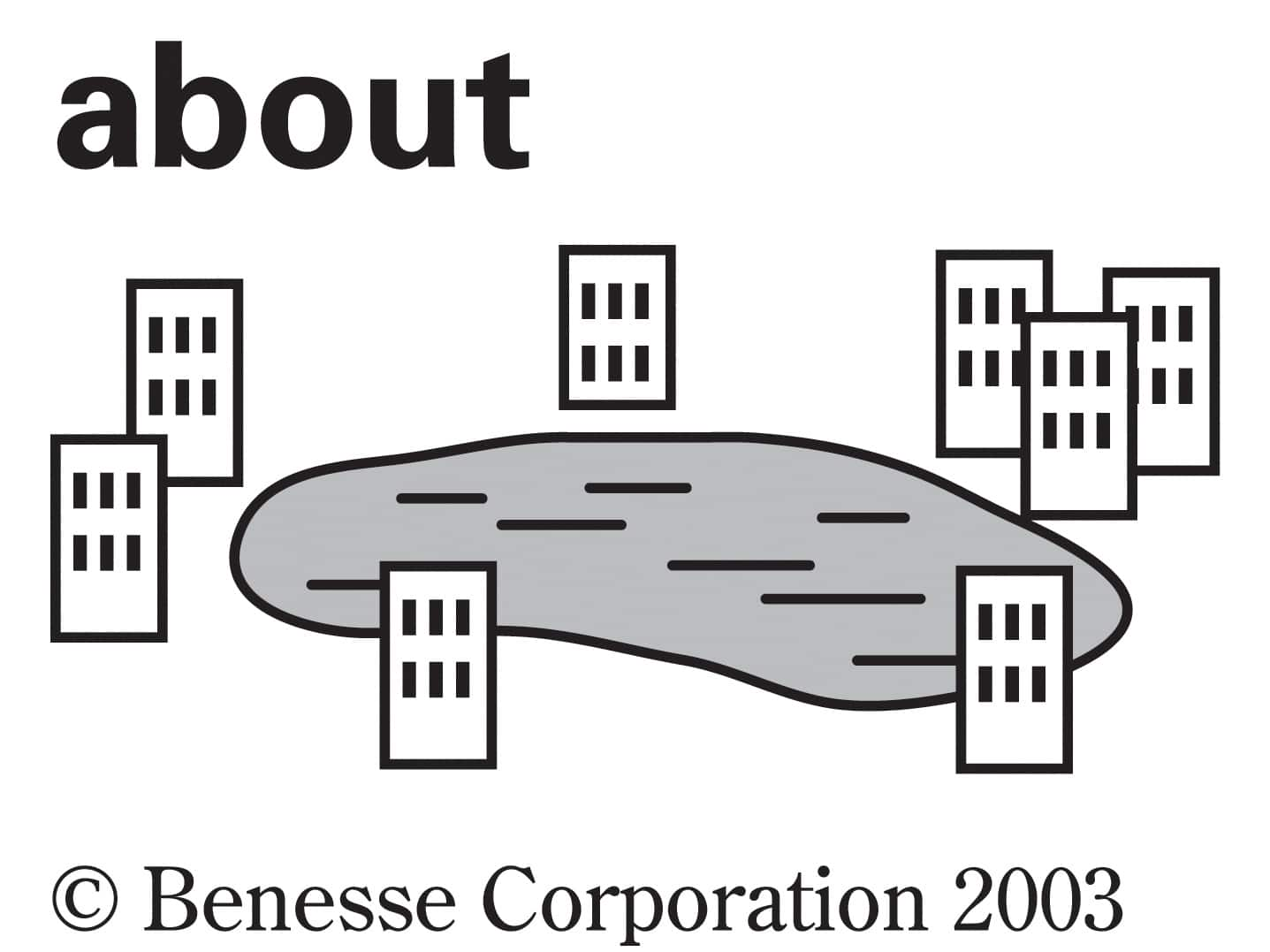
|
(漠然と)…の周辺に |
aboutの |
aboutの |
aboutの学習レベル | レベル:1英検:3級以上の単語学校レベル:中学以上の水準TOEIC® L&Rスコア:220点以上の単語 |
研究社 新英和中辞典での「about」の意味 |
|
about
1
/![]()
/
a
[数詞を伴って] およそ,約… (⇒前置詞 2c) 《★【類語】 about は示されている数・量に達しているかいないかは問題にせず,大体それに近い場合に用いられる; almost,nearly はもう少しで示されている数・量に達しそうである場合に用いられる》.
|
⇒TURN (and turn) about 名詞【成句】.
|
| jùst abóut |
a
今にも〈…し〉かけていて 《★【用法】 be about to do は be going to do よりも ‘be on the point of doing' 「今にも…しようとしている」の意をより明確に表わす; 従って,tomorrow などの副詞句は用いない》.
2
叙述的用法の形容詞
|
⇒OUT and about, UP and about 【成句】.
|
-
履歴機能
過去に調べた
単語を確認! -
語彙力診断
診断回数が
増える! -
マイ単語帳
便利な
学習機能付き! -
マイ例文帳
文章で
単語を理解! -
Eゲイト英和辞典での「about」の意味 |
|
about
覚え方(漠然と)…の周辺に
![]() |
前置詞
![]() |
2a((おもに英))…の周りに[で](((米))around)
b(人)の身辺に
3…の手元に
4〔ある数値の概略を示して〕だいたい…,…ごろ⇒approximately【ネットワーク】
5〔活動の周辺にいることから推測して〕…に従事して,かかわって
6〔話題の中心とその周辺を含んで〕…について,…のことは[で]
副詞
2およそ,約
3向きを変えて;回り道をして;交互に
|
4広まって,はやって
成句be about to do
(今まさに)…するところである⇒will~1【ネットワーク】
成句be not about to do
…するつもりはない
成句It's about time to do [that ...]
そろそろ…してもいいころだ
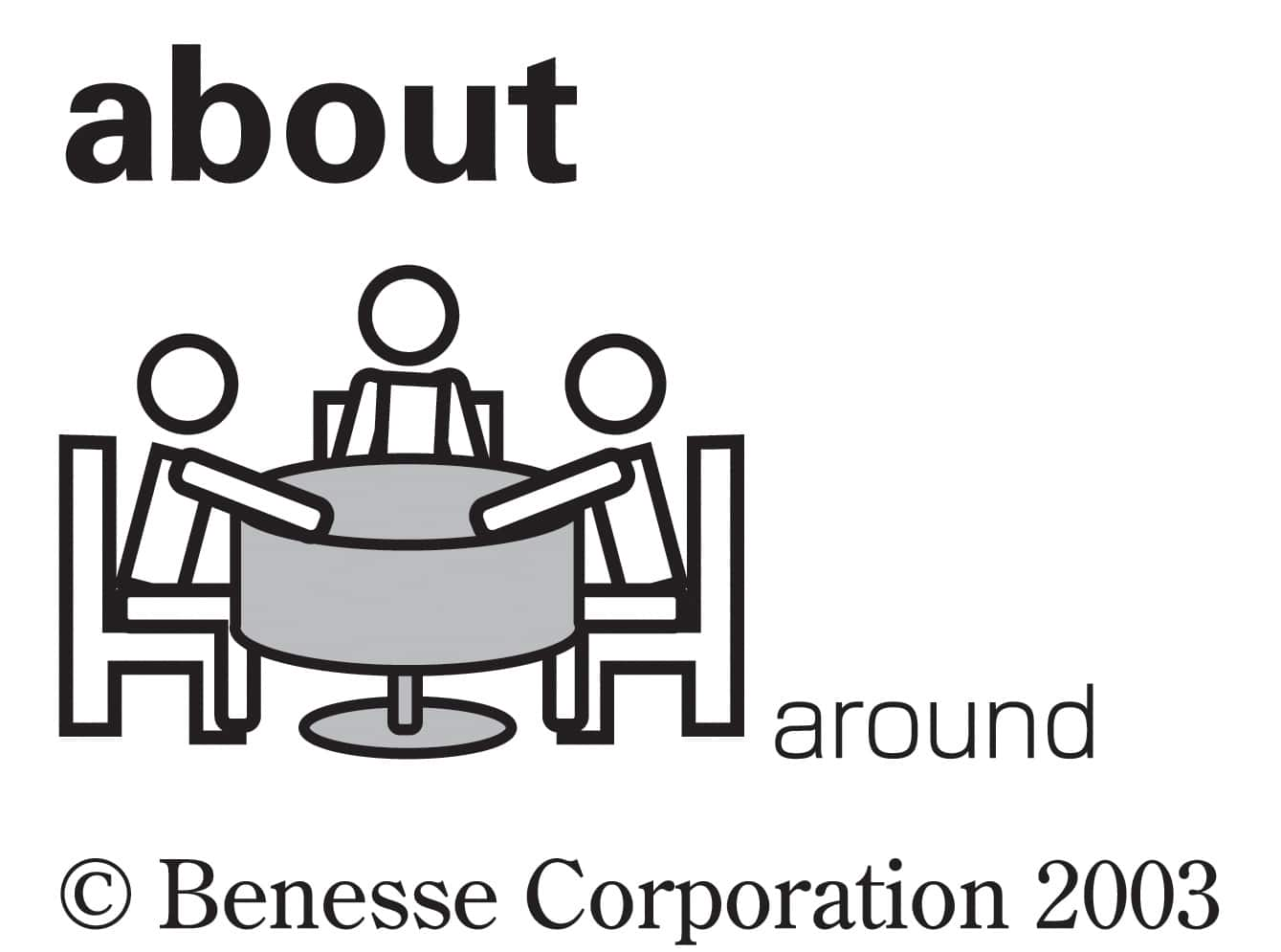
ネットワークaboutとaround aboutは((英)),aroundは((米))で使用される傾向があり,「街をぶらつく」は((英))ではwalk about the town, ((米))ではwalk around the townと言う.しかし両者には地域差以外にも次のような違いがある about: 「(漠然と)周辺」を表し,どちらかといえば状態を表すことが多い/Let's sit about the table.テーブルのあたりに座りましょう around: 「(ぐるっと一回りする)周囲」を表し,どちらかといえば「取り囲む」という動作の意味あいが強く,そこには「…するために」という目的意識が含まれる/Let's sit around the table.テーブルを囲んで座りましょう 食事のために「テーブルを囲んで座りましょう」というときは,テーブルに目的意識があるためaroundがよい.aboutだと「(漠然と)テーブルのあたりに座ろう」という意味にもなってしまう |
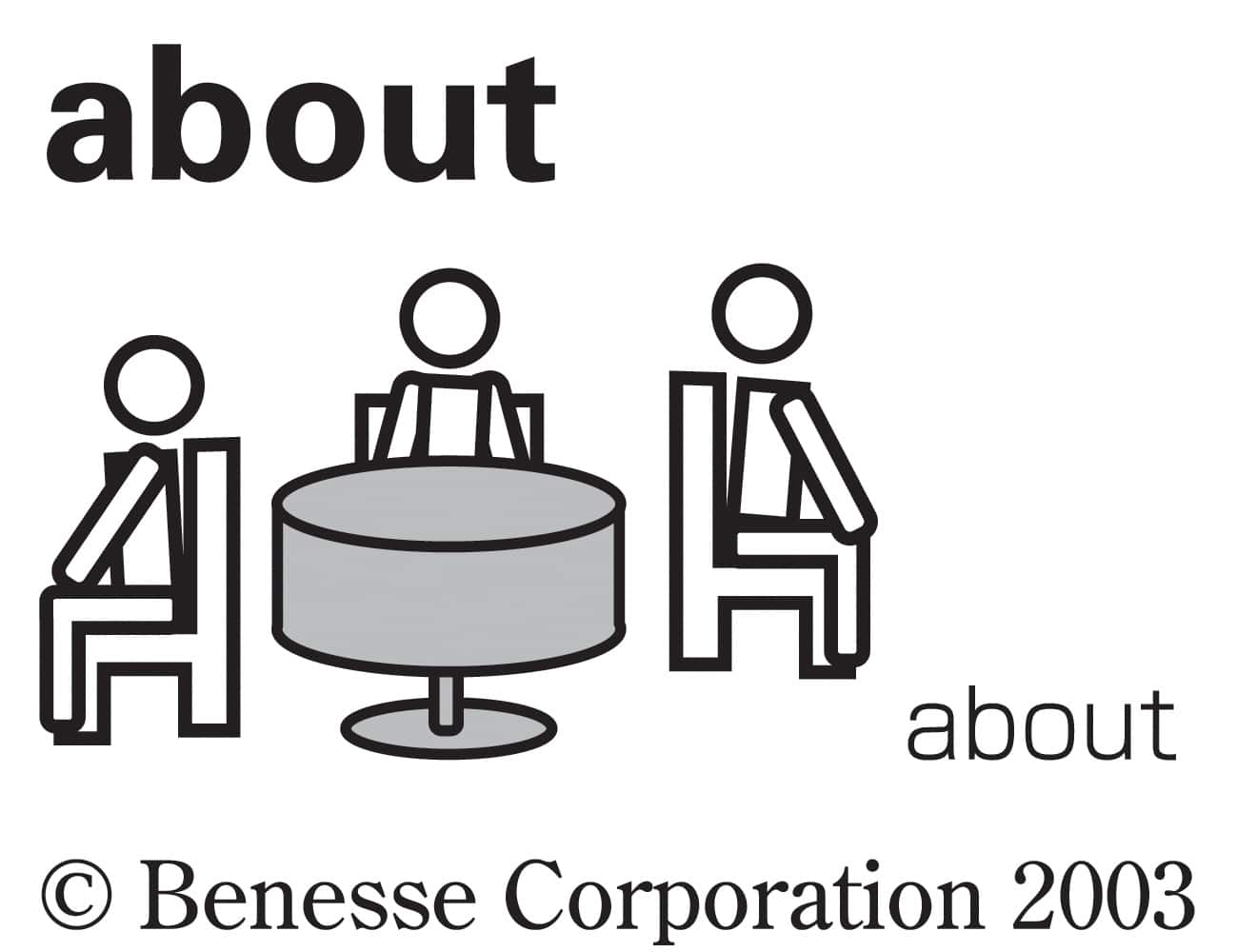
![]() ![]() |
語法be about to doとbe going to do be about toは「何かをしようとすることの周辺にいる」ということで「今まさに…しようとしている」という意味合いが強く,未来を表すtomorrow, next Mondayなどの副詞(句)とは共に用いない 一方,be going toには「(気持ちの上で)ある動作に向かって(go)いて,予定していることだ」という意味合いがある.従ってI'm about to leave.だと「まさに今出かけようとしているところだ」の意であるのに対して,I'm going to leave.は「出かけるつもりだ」の意で,それは「今すぐ」ということもあれば「来月」ということもありうる |
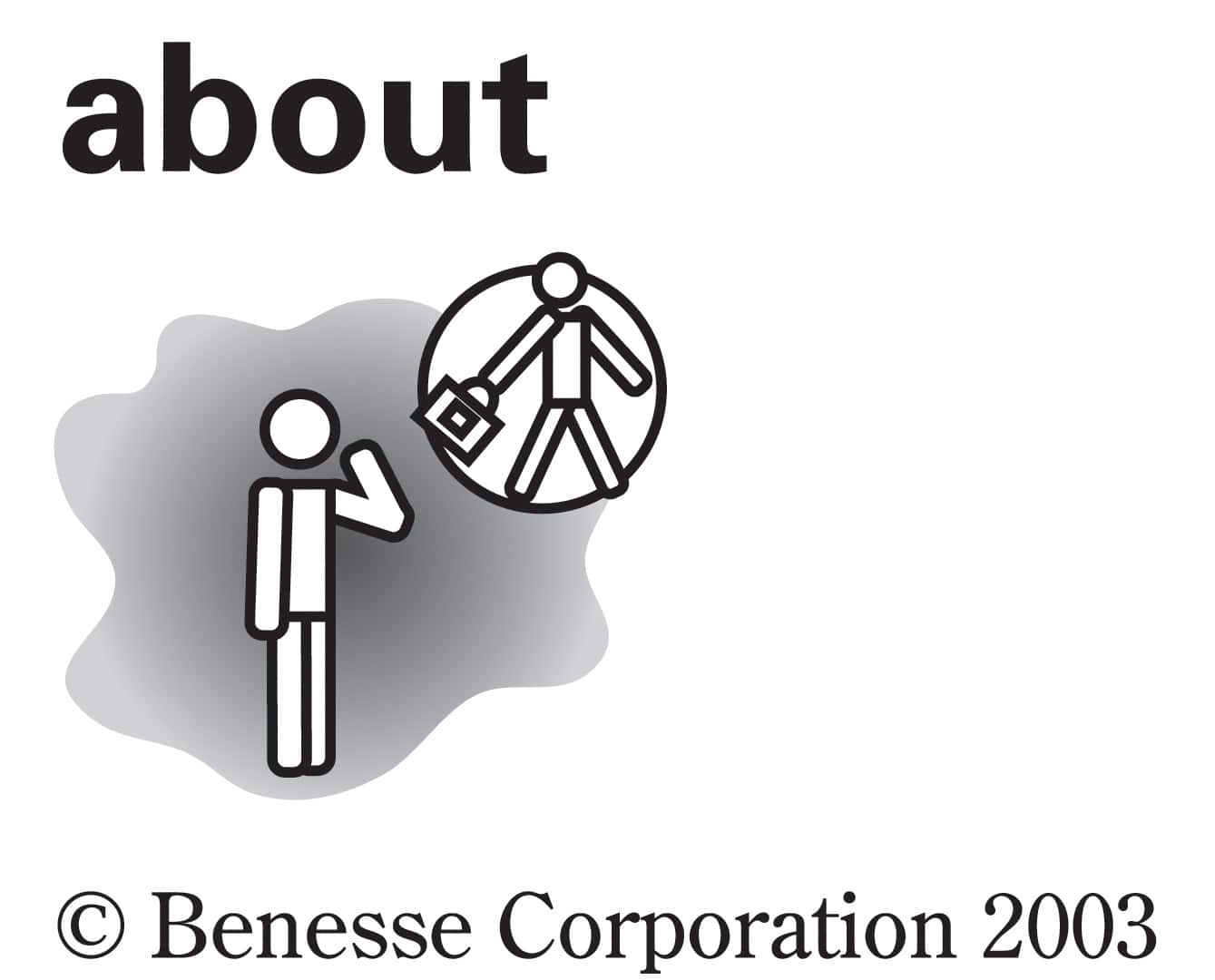
![]() |
Weblio実用英語辞典での「about」の意味 |
|
about
「about」とは・「about」の意味
about前置詞:~について、~の周りに、~の近くに、〜を中心にして、〜の性質で
副詞:おおよそ、大体、あちこちに、そろそろ
形容詞:用意ができて、(病気が)流行して
aboutの用法
前置詞
「about」が前置詞として使われる場合、何かの話題や事柄について、または物理的な位置関係を示す。具体的な例を以下に示す。
・例文1. We talked about the new project.(私たちは新しいプロジェクトについて話した。)
2. There are many shops about the station.(駅の周りには多くの店がある。)
3. He was walking about the room.(彼は部屋の中を歩き回っていた。)
4. The discussion was about global warming.(議論は地球温暖化についてだった。)
5. She knows a lot about Japanese culture.(彼女は日本文化について多くを知っている。)
副詞
「about」が副詞として使われる場合、量や時間、場所などがおおよその範囲であることを示す。具体的な例を以下に示す。
・例文1. I will be there in about five minutes.(私はおおよそ5分でそこに着くだろう。)
2. He has about ten dollars in his pocket.(彼のポケットには大体10ドル入っている。)
3. The kids are running about the park.(子供たちは公園をあちこち走り回っている。)
4. It's about time to start.(そろそろ始める時間だ。)
5. The book contains about 200 pages.(その本はおおよそ200ページ含んでいる。)
形容詞
「about」が形容詞として使われる場合、何かが起こる準備が整っている状態や、流行している状態を示す。具体的な例を以下に示す。
・例文1. He is always about when needed.(彼はいつも必要な時には用意ができている。)
2. The flu is about this season.(インフルエンザがこの季節流行している。)
3. Everything is about for the party.(パーティーのための準備がすべて整っている。)
4. Be careful, there's a rumor about.(注意して、噂が流行している。)
5. The police were about during the festival.(警察は祭りの間、準備ができていた。)
ハイパー英語辞書での「about」の意味 |
|
about
1
[位置・運動] a[円周]((主に英正式))…のまわりに, …の周囲に[を, の];…を取り巻いて b[周辺]((主に英・米正式))…の近くに, …のあたりに[を, で];[移動・分散の動詞と共に] …のあちこちに[を, で], …のほうぼうに[を, で]
2
[携帯・付随] a[携帯]((主に英正式))(金銭・財布などを)〈人〉の身につけて, 〈人〉が持って《◆かさのようなやや大きな物の場合は with》 b[付随][通例 there is 構文で]〈人〉の身辺に, 〈物・事〉には《◆漠然と周囲に漂う気配・様子などを表す》
| 用例 | I'm just about ready. |
| 印欧語根 | ||
|---|---|---|
| ud- | 「上へ」または「外へ」の意を表す(outなど)。#ud-とも表記。about, butの由来として、「…の外側に」。 | |
| 接頭辞 | ||
|---|---|---|
| a- | 1.「…の上に「…の中に」「…(の現場)で」の意。名詞について形容詞、副詞を作る。 2.「…の方向に」の意。印欧語根an-から。 | |
Weblio英和対訳辞書での「about」の意味 |
|
Wiktionary英語版での「about」の意味 |
about
出典:『Wiktionary』 (2025/11/21 20:19 UTC 版)
別の表記
- aboot (Northumbria)
- (archaic) abowt; (abbreviation) a., (abbreviation) ab.,* (abbreviation) abt.
語源
Preposition and adverb from 中期英語 aboute, abouten, from 古期英語 abūtan, onbūtan, from on (“in, on”) + būtan (“outside of”), itself from be (“by”) + ūtan (“outside”). Cognate with Old Frisian abûta (“outside; except”).
発音
- (Received Pronunciation, General American) IPA: /əˈbaʊt/, [əˈbaʊ̯t]
- (Canada) IPA: /əˈbaʊ̯t/, (Canadian raising) [əˈbʌʊ̯t], (Canadian raising) [əˈbɐʊ̯t], (Canadian raising) [əˈboʊ̯t]
- (Nova Scotia) IPA: [əˈbɵu̯t]
- (Southern Ontario) IPA: [əˈbɛʊ̯t]
- (Ireland, Virginia) IPA: /əˈbɛʊ̯t/
- (Northumbria) IPA: /əˈbuːt/
- 韻: -aʊt
- ハイフネーション: about
前置詞
about
- In a circle around; all round; on every side of; on the outside of; around. [from before 1150]
-
c. 1604–1605 (date written), William Shakespeare, “All’s Well, that Ends Well”, in Mr. William Shakespeares Comedies, Histories, & Tragedies […] (First Folio), London: […] Isaac Iaggard, and Ed[ward] Blount, published 1623, →OCLC, (please specify the act number in uppercase Roman numerals, and the scene number in lowercase Roman numerals):
- 1769, King James Bible, Oxford Standard text, Proverbs, iii, 3
-
1843, Thomas Hobbes, The English Works of Thomas Hobbes of Malmesbury: The history of the Grecian war written by Thucydides; tr. by T. Hobbes, page 480:
-
1886, Duncan Keith, A history of Scotland: civil and ecclesiastical from the earliest times to the death of David I, 1153, volume 1:
-
Nothing daunted, the fleet put to sea, and after sailing about the island for some time, a landing was effected in the west of Munster.
-
-
1900, William John Tossell, Reports of Cases Argued and Determined in the Ohio Circuit Courts...: Ohio Circuit Decisions, page 581:
-
There is no controversy […] that the plaintiff […] fell into the ditch and was severely injured; [and] that the defendant or its agents left no railing about the excavation : And it quite clearly appears that a person coming from the house of the plaintiff, as she did, to cross the pavement in front of her lot, could not see any light or other signal to warn her of danger […]
-
-
1905, The Delineator, page 258:
-
She looked about her. Desolation everywhere - on the dust-encrusted windows, on the discolored walls, the rotten planks of the floor, the fallen bricks of the fireplace - desolation utter and complete.
-
- Over or upon different parts of; through or over in various directions; here and there in; to and fro in; throughout. [from ca. 1150–1350]
-
He was well known about town.
- Indicates that something will happen very soon; indicates a plan or intention to do something.
- (with 'to' and verb infinitive) See about to.
- (with present participle, obsolete or dialect) On the point or verge of.
- Concerning; with regard to; on account of; on the subject of. [from ca. 1150–1350]
- c. 1597-1602, William Shakespeare, The Merry Wives of Windsor:
-
1856, Voltaire, Philosophical dictionary:
-
1858, Thomas Babington Macaulay, The History of England from the Accession of James the Second, page 13:
-
2008, Sean O'Neill, Cultural Contact and Linguistic Relativity Among the Indians of Northwestern California, University of Oklahoma Press, →ISBN, page 31:
-
2013 June 22, “Engineers of a different kind”, in The Economist, volume 407, number 8841, page 70:
-
Private-equity nabobs bristle at being dubbed mere financiers. Piling debt onto companies’ balance-sheets is only a small part of what leveraged buy-outs are about, they insist. Improving the workings of the businesses they take over is just as core to their calling, if not more so. Much of their pleading is public-relations bluster.
-
- 2016, VOA Learning English (public domain)
-
2021 October 7, Erica S. Simmons, Nicholas Rush Smith, Rethinking Comparison: Innovative Methods for Qualitative Political Inquiry, Cambridge University Press, →ISBN, page 272:
-
... something particularly imaginative about comparative work, however one construes the term “comparison.” […]
-
- Concerned or occupied with; engaged in; intent on. [from ca. 1150–1350]
- Have you much hay about? (Chester) ― Have you much in the process of making?
- “What’s Mary doin'?” “Oh! oo’s about th’ butter.” (Chester) ― “What’s Mary doing?” “Oh, she’s making the butter.”
-
1765, James HARRIS (Author of “Hermes.”.), Hermes, Or a Philosophical Inquiry Concerning Universal Grammar ... Second Edition, Etc, page 376:
- 1769, King James Bible, Oxford Standard text, Luke, ii, 49
- 2013 March 14, Parks and Recreation, season 5, episode 16, Bailout:
- Within or in the immediate neighborhood of; in contiguity or proximity to; near, as to place. [from ca. 1350–1470]
-
1851, J. H. Clark, The Songs of the Seasons, and Wild Flowers of the Months: Or, the British Wild Flowers Familiarly Described Under the Months in which They Bloom and the Localities in which They Grow, page 53:
-
The Saffron Crocus (C. sativus) grows in meadows about Essex, where it is cultivated for its fragrant stigmas, which constitute saffron.
-
-
1868, William Rossiter, The Elements of Plane and Spherical Trigonometry, page 14:
-
[…] if there be any number of equiangular triangles, the sides about the equal angles are proportionals.
-
- On one’s person; nearby the person. [from ca. 1350–1470]
-
1837, [Edward Bulwer-Lytton], Ernest Maltravers […] , volume I, London: Saunders and Otley, […], →OCLC, book I, page 16:
-
At this assurance the traveller rose, and approached Alice softly. He drew away her hands from her face, when she said gently, "Have you much money about you?" / "Oh the mercenary baggage!" said the traveller to himself; and then replied aloud, "Why, pretty one?—Do you sell your kisses so high, then?"
-
- (figurative) On or near (one's person); attached as an attribute to; in the makeup of, or at the command of. [from ca. 1350–1470]
-
1897 December (indicated as 1898), Winston Churchill, chapter II, in The Celebrity: An Episode, New York, N.Y.: The Macmillan Company; London: Macmillan & Co., Ltd., →OCLC:
-
Sunning himself on the board steps, I saw for the first time Mr. Farquhar Fenelon Cooke. […] A silver snaffle on a heavy leather watch guard which connected the pockets of his corduroy waistcoat, together with a huge gold stirrup in his Ascot tie, sufficiently proclaimed his tastes. […] But withal there was a perceptible acumen about the man which was puzzling in the extreme.
-
-
1953, Oliver Wendell Holmes (Jr.), Holmes-Laski Letters: 1926-1935:
使用する際の注意点
- (Indicates that something will happen very soon): In modern English, always followed by an infinitive that begins with to ("I am about to bathe"); see about to. In the past, it was possible to instead follow the about with the present participle ("I am about swimming"), but this format is no longer used or widely understood.
- (concerning): Used as a function word to indicate what is dealt with as the object of thought, feeling, or action.
副詞
about (not comparable)
- On all sides, or in every or any direction from a point; around. [from before 1150]
- 1610-11, William Shakespeare, The Tempest:
-
1673, John Ray, Observations Topographical, Moral, & Physiological: Made in a Journey Through Part of the Low-countries, Germany, Italy, and France: with a Catalogue of Plants Not Native of England, Found Spontaneously Growing in Those Parts, and Their Virtues:
-
Dunkerk is […] well-built and populous, strongly fortified all about where it is capable: only toward the Downs or sandy Hills on the Southwest side of the Town, though there had been much Cost bestowed in raising Forts, yet were they almost filled up and spoiled with Sand driven in by the force of stormy Winds, against which it will be very hard to secure any Fort that shall be there erected.
-
- Here and there; around; in one place and another; up and down. [from before 1150]
- From one place or position to another in succession; indicating repeated movement or activity.
- 1769, King James Bible, Oxford Standard text, 1 Timothy, v,13,
-
2008 January 29, Emile Zola, The Beast Within, Penguin, →ISBN:
-
She was [...] moving furniture about, and marching into the apartment at the front even before the tenants had left.
-
- Indicating unproductive or unstructured activity.
- Nearly; approximately; with close correspondence in quality, manner, degree, quantity, or time; almost. [from before 1150]
-
Dinner’s about ready.
-
c. 1590–1591 (date written), William Shakespeare, “The Two Gentlemen of Verona”, in Mr. William Shakespeares Comedies, Histories, & Tragedies […] (First Folio), London: […] Isaac Iaggard, and Ed[ward] Blount, published 1623, →OCLC, (please specify the act number in uppercase Roman numerals, and the scene number in lowercase Roman numerals):
- 1769, King James Bible, Oxford Standard text, Matthew, xx, 3,
- 1769, King James Bible, Oxford Standard text, Exodus, ix, 18
- 1769, King James Bible, Oxford Standard text, Exodus, xxxii,28:
-
1907 August, Robert W[illiam] Chambers, chapter IX, in The Younger Set, New York, N.Y.: D. Appleton & Company, →OCLC:
-
“Heavens!” exclaimed Nina, “the blue-stocking and the fogy!—and yours are pale blue, Eileen!—you’re about as self-conscious as Drina—slumping there with your hair tumbling à la Mérode! Oh, it's very picturesque, of course, but a straight spine and good grooming is better. […]”
-
-
1828, William Cobbett, A Year's Residence in the United States of America. Treating of the Face of the Country, the Climate, the Soil, the Products, the Mode of Cultivating the Land ... [With a Map.], page 12:
-
In about every one of these works I have pleaded the cause of the working people; and I shall now see that cause triumph, in spite of all that can be done to prevent it.
-
-
1863, Virginia Penny, The Employments of Women: A Cyclopaedia of Woman's Work, page 480:
- Near; in the vicinity. [from ca. 1350–1470]
- To a reversed order, direction, or condition; half round; in (or to, or from) the opposite direction. [from ca. 1350–1470]
-
1888, Horatio Alger, The Errand Boy:
- (nautical) To the opposite tack: see go about. [from late 15th c.]
-
1809, The Harleian Miscellany: a collection of scarce, curious, and entertaining pamphlets and tracts ... found in the late Earl of Oxford's library. Interspersed with historical, political, and critical notes, etc. With an introduction by Samuel Johnson, page 45:
- (obsolete or rare) In succession, one after another. [from before 1150]
- (obsolete or rare) In rotation or revolution. [from before 1150]
-
1908 [c. 1606], William Shakespeare, The Tragedie of Coriolanus, Oppidan Library, page 96:
-
What an Arme he has, he turn'd me about with his finger and his thumbe, as one would set up a Top.
-
-
1897 [c. 1610], William Shakespeare, The Tempest, ed. by F.S. Boas, page 27:
-
Prithee, do not turn me about; my stomach is not constant.
-
-
1902, Mary Mapes Dodge, St. Nicholas, page 1095:
-
"turn and turn about is fair play : you saw the rat that was killed in the parlor." "Turn about [is] fair play, indeed!" cried the cat. "Then all of you get to your spits; I am sure that is turn about!" "Nay, "said the turnspits, wagging their tails and laughing. "That is over and over again,which is not fair play. 'T is the coffee-mill that is turn and turn about."
-
-
2012 02, Edmund C. Schimek, A Small Time in Space, AuthorHouse, →ISBN, page 12:
-
I was driving by myself. The only hard part was shifting, I did grind the gears a few times until I got used to it. I practiced going about in circles and backing in and out of the barn.
-
-
- (possibly obsolete, outside set phrases) In the course of events.
- to bring about, to come about
- (archaic) In circuit or circumference; circularly. [from ca. 1350–1470]
-
The island was a mile about, and a third of a mile across.
- c. 1597-1602, William Shakespeare, The Merry Wives of Windsor:
- Indeede I am in the waste two yards about.
-
1904 [1600?], Richard Hakluyt, The Principal Navigations, Voyages, Traffiques & Discoveries of the English Nation Made by Sea Or Over-land to the Remote and Farthest Distant Quarters of the Earth at Any Time Within the Compasse of These 1600 Yeeres, page 104:
-
... a more easie way, though it were farther about.
-
-
1842 [1650?], Francis Bacon, Sylva sylvarum, or A natural history; Papers relating to the Earl of Essex; Papers relating to Sir Edward Coke, page 50:
-
... the sure way, though most about, to make gold, is to know the causes of the several natures before rehearsed, […]
-
-
- (archaic) By a circuitous way; circuitously.
-
1790, The Christian's Complete Family Bible: Containin the Whole of the Sacred Text of the Old and New Testaments, with the Apocrypha at Large:
-
God led the people about, through the way of the wilderness of the Red sea.
-
-
同意語
- (many senses): around
形容詞
about (not comparable)
- Moving around or in motion; astir.
-
out and about; up and about
-
After my bout with Guillan-Barre Syndrome, it took me 6 months to be up and about again.
- c. 1600, William Shakespeare, Hamlet:
- c. 1597-1602, William Shakespeare, The Merry Wives of Windsor:
-
- In existence; being in evidence; apparent.
-
1975, IPC Building & Contract Journals Ltd, Highways & road construction, volume 43:
-
To my mind, transportation engineering is similar to flying in the 1930s — it has been about for some time but it has taken the present economic jolt to shake it out of its infancy, in the same way that the war started the development of flying to its current stage.
-
-
2005, IDG Communications, Digit, numbers 89-94:
- 2006, Great Britain Parliament: House of Lords Science and Technology Committee, Energy: Meeting With Malcolm Wicks MP,
- Is not this sudden interest in capturing CO2 — and it has been about for a little while — simply another hidey-hole for the government to creep into?
- Near; in the vicinity or neighbourhood.
同意語
- (moving around): around, active, mobile, astir
- (in existence): around
動詞
about (third-person singular simple present abouts, present participle abouting, simple past and past participle abouted)
- (nautical, uncommon) To change the course of (a ship) to the other tack; to bring (a ship) about.
-
1694, John Martyn (Londres), James Allestry (Londres), Henry Oldenburg, Philosophical Transactions, Giving Some Accompt of the Present Undertakings, Studies and Labors of the Ingenious in Many Considerable Parts of the World, page 984:
-
The Channel at Archer's Hope Point lies close by the Shoar, and makes such an Angle there by reason of Hog Island, that going up or down the River, let the Wind be where it will, they must there bring the contrary Tack on Board, and generally when they About the Ship as they call it, they are so nigh the Shoar, that a Man may almost fling a Finger-stone on Board.
-
-
1937, United States Senate Committee on Commerce, Amending the Merchant Marine Act of 1936: Hearing Before the Committee on Commerce and the Committee on Education and Labor, United States Senate, Seventy-fifth Congress, Second[-third] Session, on S. 3078, a Bill to Amend the Merchant Marine Act of 1936, and for Other Purposes ..., page 456:
-
- (uncommon, possibly humorous) To about-face (turn 180 degrees, like a soldier).
- For quotations using this term, see Citations:about.
派生語
- about east
- about face
- about-face
- about me
- aboutness
- about one's ears
- about one's person
- about page
- about ship
- about sledge
- about-sledge
- about that life
- about time
- about-turn
- about turn
- along about
- around about
- arse about
- arse about face
- arse about tit
- ask me one about sport
- balls about
- bally about
- bandy about
- bang about
- bash about
- bat about
- be about
- be all about
- beat about
- beat about the bush
- bonce about
- boss about
- brace about
- bring about
- bucket about
- bugger about
- buggerise about
- buzz about
- cast about
- clown about
- come about
- cut about
- dart about
- dick about
- discuss about
- don't even think about it
- doss about
- eastabout
- facts don't care about your feelings
- faff about
- fall about
- fall about the place
- fanny about
- fart about
- ferret about
- fetch about
- fiddle about
- flail about
- fluff about
- fool about
- footle about
- forget about
- forget about it
- fuck about
- futt about
- gentleman about town
- get about
- give about
- give someone something to think about
- go about
- go about one's business
- go about one's day
- go about to
- gone north about
- green about the gills
- hang about
- haulabout
- have a way about one
- have one's mind about one
- have one's wits about one
- hedge about
- hereabout
- hereabouts
- hop about
- horse about
- how about
- how about no
- how about that
- how about them apples
- how's about
- I don't know about that
- I don't want to talk about it
- it doesn't matter what they say about you as long as they spell your name right
- it's about time
- jump about
- just about
- keep on about
- keep one's wits about one
- kickabout
- kick about
- knock about
- knock-about
- know about
- know beans about
- know what one is about
- lark about
- layabout
- lay about
- laze about
- left-about
- loaf about
- loll about
- make no bones about
- man about town
- man-about-town
- mess about
- mill about
- monkey about
- mope about
- move about
- much ado about nothing
- muck about
- nearabout
- nearabouts
- nearbout
- no bones about it
- nose about
- not bear thinking about
- nothing about us without us
- nothing to write home about
- not make any bones about
- not worth writing home about
- no two ways about it
- on about
- on or about
- order about
- out and about
- piss about
- play about
- poke about
- potter about
- prat about
- pull about
- push about
- put about
- put it about
- put oneself about
- putter about
- raceabout
- rattle about
- ready about
- right-about
- right-about-face
- roll about
- root about
- roundabout
- round about
- roustabout
- run about
- run about with
- screw about
- see about
- see a man about a dog
- see a man about a horse
- send about one's business
- set about
- shift about
- shove about
- sit about
- sling about
- slob about
- something to write home about
- sounds about white
- splash about
- stirabout
- tack about
- talk about
- talk-about-able
- talk about the weather
- talked about
- tearabout
- tell me about it
- that's about the size of it
- that's what I'm talking about
- thenabout
- thereabout
- thereabouts
- think about
- thrash about
- throw about
- time about
- tit about
- tourabout
- to write home about
- turn about
- turnabout
- turn-about
- turn about is fair play
- turn and turn about
- twat about
- up and about
- walk about
- walkabout
- walking-about money
- westabout
- what about
- what about the children
- what someone is about
- wheel about
- whenabout
- whereabout
- whereabouts
- while one is about it
- whirlabout
- woman about town
- you don't know what you're talking about
See also: Category:English phrasal verbs formed with "about"
参照
- “about”, in OneLook Dictionary Search.
- William Dwight Whitney, Benjamin E[li] Smith, editors (1911), “about”, in The Century Dictionary […], New York, N.Y.: The Century Co., →OCLC.
- ^ Philip Babcock Gove (editor), Webster's Third International Dictionary of the English Language, Unabridged (G. & C. Merriam Co., 1976 [1909], →ISBN), page 5
- ↑ Lesley Brown, editor-in-chief, William R. Trumble and Angus Stevenson, editors (2002), “about”, in The Shorter Oxford English Dictionary on Historical Principles, 5th edition, Oxford; New York, N.Y.: Oxford University Press, →ISBN, page 7.
- ^ Christine A. Lindberg, editor (2002), “about”, in The Oxford College Dictionary, 2nd edition, New York, N.Y.: Spark Publishing, →ISBN, page 4.
- ↑ Robert Holland, M.R.A.C., A Glossary of Words Used in the County of Chester, Part I--A to F., English Dialect Society, London, 1884, 2
Weblio例文辞書での「about」に類似した例文 |
|
about
こと
a thing
about where
どのもの
which
since
About the rest
that
have
a
おおわれる
Mr. So-and-so.
しんとする
その位のこと
a-bout
to speak with a provincial accent
絹漉しする
to strain something through silk cloth
おおわれる
a trumpet
がってんだ
Okey-dokes
a heptad
a heptad
a balking
a-bout!
どけ!
死んでしまえ
おやまぁ
O dear !
あほうめ!
おみごと!
いかにも!
ええくそ!
くそったれが!
こいつめ!
「about」を含む例文一覧
該当件数 : 49970件
about ten minutes later発音を聞く 例文帳に追加
約10分後 - Weblio Email例文集
About three times as...発音を聞く 例文帳に追加
約3倍 - Weblio Email例文集
About this...例文帳に追加
これについて…… - Weblio Email例文集
How about you?発音を聞く 例文帳に追加
あなたはどう - Weblio Email例文集
About this発音を聞く 例文帳に追加
ここについて - Weblio Email例文集
|
4
5
10
|
|
|
aboutのページの著作権
英和辞典
情報提供元は
参加元一覧
にて確認できます。
| Copyright (c) 1995-2026 Kenkyusha Co., Ltd. All rights reserved. | |
| Copyright © Benesse Holdings, Inc. All rights reserved. | |
| © 2000 - 2026 Hyper Dictionary, All rights reserved | |
| © 2026 Microsoft | |
| Copyright (C) 2026 ライフサイエンス辞書プロジェクト | |
|
日本語ワードネット1.1版 (C) 情報通信研究機構, 2009-2010 License All rights reserved. WordNet 3.0 Copyright 2006 by Princeton University. All rights reserved. License |
|
|
Copyright (C) 1994- Nichigai Associates, Inc., All rights reserved. 「斎藤和英大辞典」斎藤秀三郎著、日外アソシエーツ辞書編集部編 |
|
|
Text is available under Creative Commons Attribution-ShareAlike (CC-BY-SA) and/or GNU Free Documentation License (GFDL). Weblio英和・和英辞典に掲載されている「Wiktionary英語版」の記事は、Wiktionaryのabout (改訂履歴)の記事を複製、再配布したものにあたり、Creative Commons Attribution-ShareAlike (CC-BY-SA)もしくはGNU Free Documentation Licenseというライセンスの下で提供されています。 |
|
| CMUdict | CMUdict is Copyright (C) 1993-2008 by Carnegie Mellon University. |
ピン留めアイコンをクリックすると単語とその意味を画面の右側に残しておくことができます。 |
|
ログイン |
Weblio会員(無料)になると
|
-
1overseas
-
2false
-
3vulnerability
-
4meet
-
5vanish
-
6miss
-
7square brackets
-
8available
-
9take
-
10while
weblioのその他のサービス
|
ログイン |
Weblio会員(無料)になると
|