


leaveとは 意味・読み方・使い方
追加できません
(登録数上限)
 単語を追加
単語を追加
意味・対訳 去る、出る、出発する、やめる、退学する、卒業する、暇を取る、脱退する、捨てる、見捨てる
- 〈場所を〉去る,出る,出発する.
- People had to leave their towns and villages.
- 人々は自分の町や村をあとにしなければならなかった.
| 覚え方 |
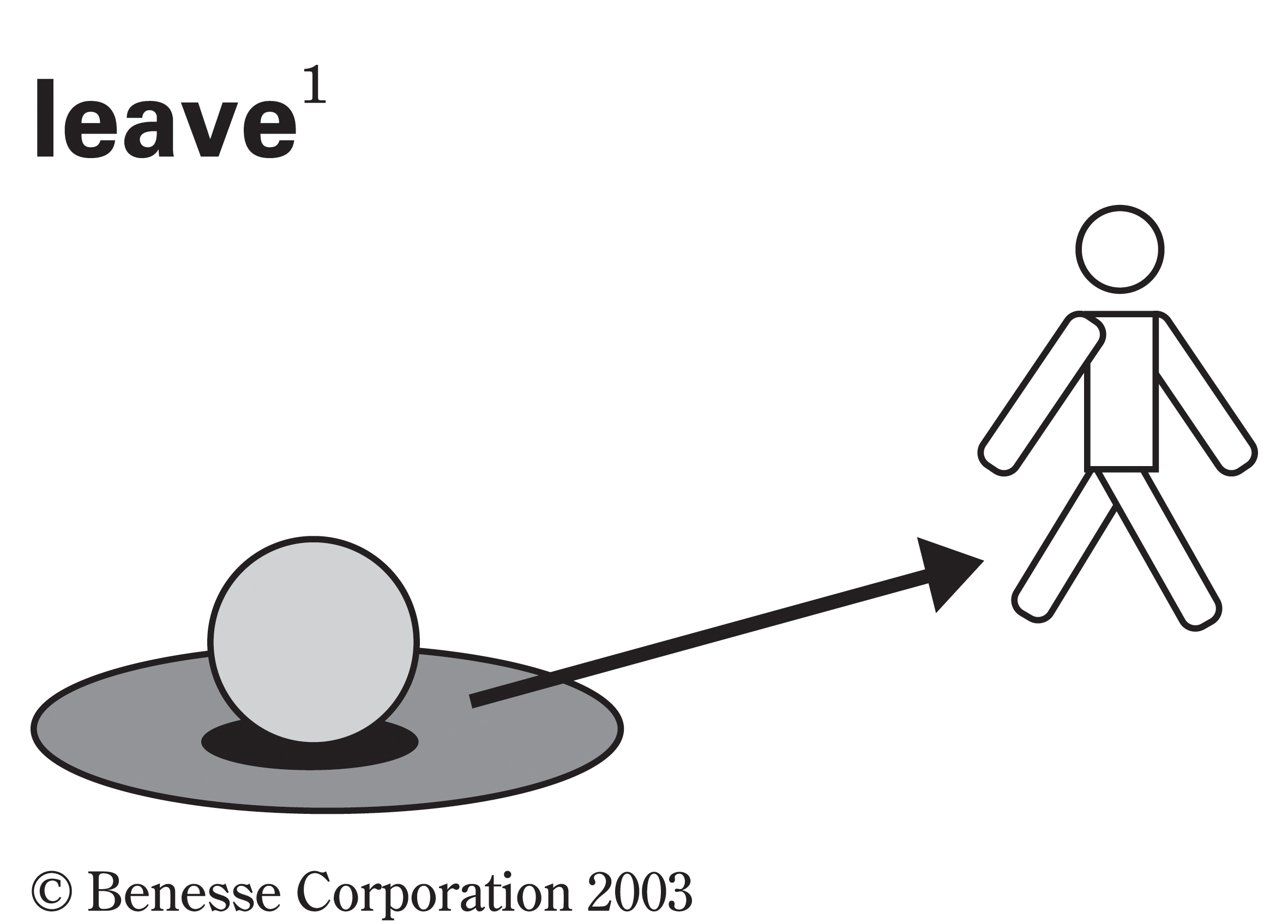
|
持っていかないで(そのままの状態にして)去る 「(ある場を)去る」という行為(Ⅰ離れる)に加え,去った後の「(そのままにした)場所・状態」(Ⅱ残す)にも焦点が置かれる |
leaveの |
leaveの |
|
leaveの |
leaveの学習レベル | レベル:1英検:3級以上の単語学校レベル:中学以上の水準TOEIC® L&Rスコア:220点以上の単語 |
研究社 新英和中辞典での「leave」の意味 |
|
leave1
leave2
1
不可算名詞
take (a) six months' leave=take (a) leave of absence for six months 6か月の休暇を取る. We have two leaves a year. 休暇が年に 2 回ある. |
| on léave | tàke Frénch léave |
| tàke (one's) léave (of…) |
leave3
政治のほかの用語一覧
-
履歴機能
 過去に調べた
単語を確認! -
語彙力診断
 診断回数が
診断回数が
増える! -
マイ単語帳
 便利な
便利な
学習機能付き! -
マイ例文帳
 文章で
文章で
単語を理解! -
Eゲイト英和辞典での「leave」の意味 |
|
leave
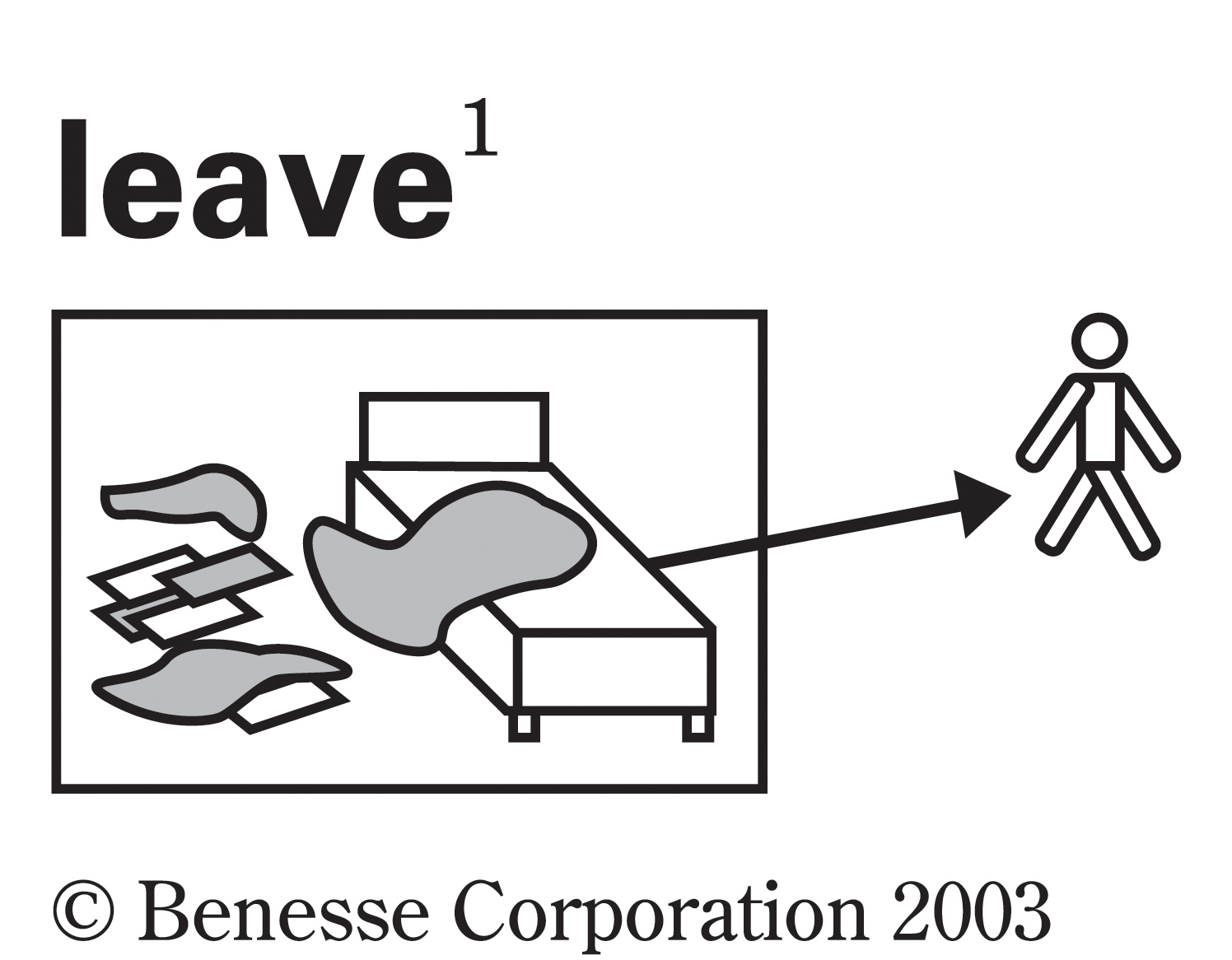
覚え方持っていかないで(そのままの状態にして)去る
| 「(ある場を)去る」という行為(Ⅰ離れる)に加え,去った後の「(そのままにした)場所・状態」(Ⅱ残す)にも焦点が置かれる |
├(場所を)去る,離れる▷他動詞1自動詞1
├(学校・職場などを)去る▷他動詞2自動詞2
└(人のところを)離れる▷他動詞3
Ⅱ残す
├残す▷他動詞4
├置いていく▷他動詞5
├任せる▷他動詞8a
└(ある状態の)ままにする▷他動詞9
他動詞
1…を去る,(場所)から〈場所に向かって〉出発する,離れる〈for〉;…を通りすぎる
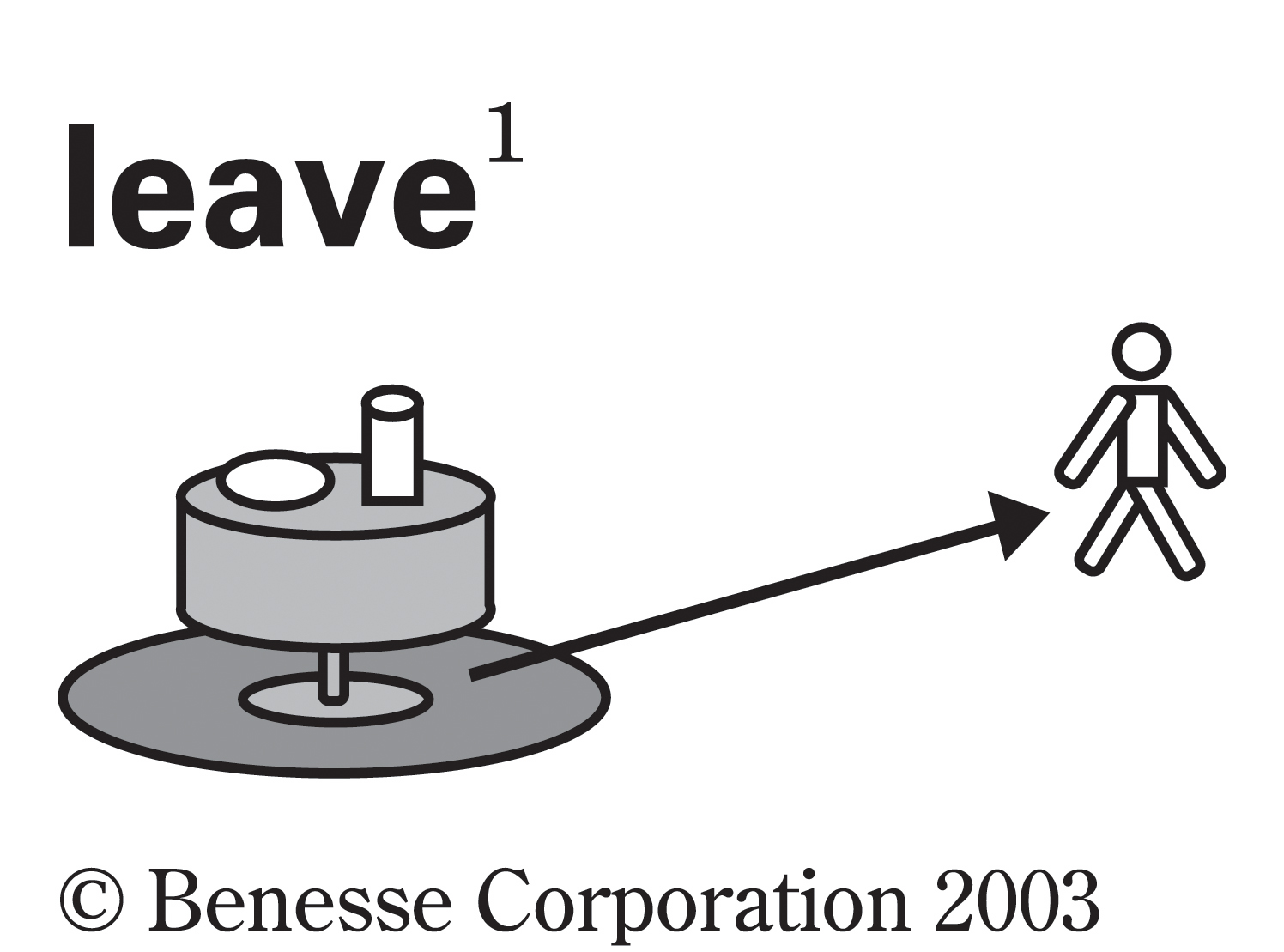 |
2(学校・職場など)を去る,やめる,…を退学[退会]する,…を卒業する
3(人のところ)を〈…を求めて〉離れる,去る,〈for〉
Ⅱ残す
4…を残す;《leave A B》⇔《leave B for A》A(人)にBを残す
5…を置いていく,置き忘れる
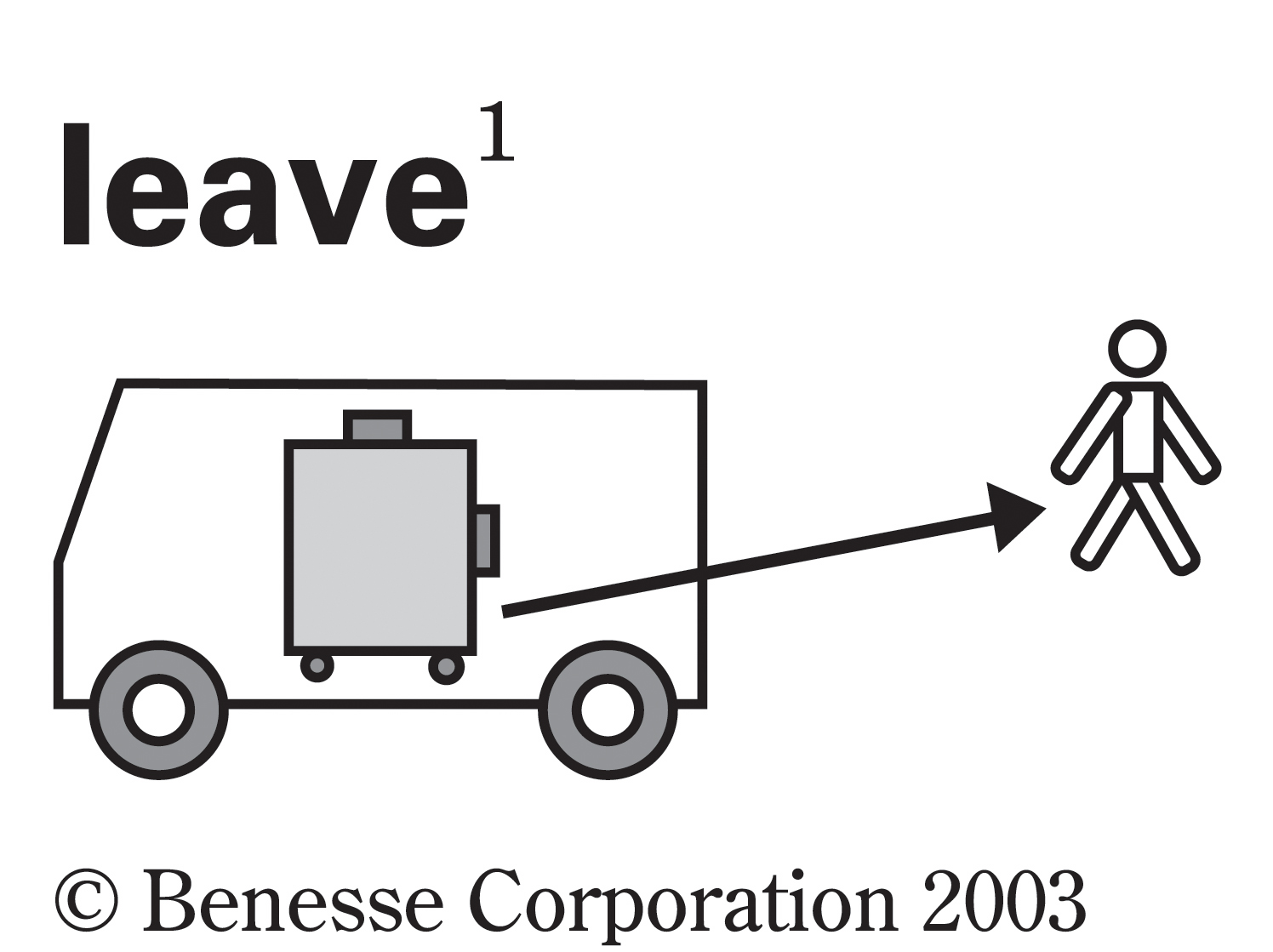
6(家族・財産)を残して死ぬ;《leave A B》⇔《leave B to A》A(人)にB(財産など)を残して死ぬ
7(手を付けないで)…を残す;(出来事の結果として)…を残す
8a…を〈…に〉任せる,託す〈to〉;(人)に〈余地などを〉残す〈with〉
b…に任せて〈…するように〉させる〈to do/doing〉,…を〈…に〉専念させておく〈to〉;(人)を〈…の状態のままに〉させておく〈to〉
9
《leave A B》AをB(状態)のままにする(Bは形容詞副詞,分詞など)
自動詞
成句leave aside
(問題・事柄・費用など)を考慮に入れない,脇に置く
成句leave behind
①((leave behind))…を置き忘れる;…をあとに残す
③((leave A behind B))AをBのあとに残す
成句leave ... in
(火)をついたままにしておく;(字句)を残したままにしておく(←→leave out)
成句leave off
①((leave off))(明かりなど)を消したままにしておく
②((leave off))(雨などが)止む;(仕事・勉強などを)やり残す
③((leave off))(途中で)…を止める;((leave off doing))…しなくなる
④((leave off))…を着ないでいる
⑤((leave off))…を省く,外す;((leave A off B))BからAを省く,外す
成句leave out
①…を出したままにしておく
②…を書き落とす;…を省く,除外する;…を無視する,考慮しない
成句leave |A| out of |B|
AをBの中から抜き取る,外す
成句leave over
①(食べ物など)を残す
②(仕事など)を後回しにする,延期する
成句be [get] nicely left
((口))まんまとだまされる
成句be well left
たくさん遺産を残してもらう
成句leave ... as it [he, she] is⇔ leave ... as they are
…をそのままにしておく
成句leave ... be
…に干渉しない,…をそっとしておく
成句leave it at that
((口))(勉強や議論などを)それくらいにしておく
成句Leave it out.
((英俗))うそをつくな,よしてくれ
成句leave |a person| to |himself / herself|
(人)にしたいようにさせる,(人)をそっとしておく,(人)の裁量にまかせる
成句leave ... to it
((口))(人)に(物事を)一人で続行させる,(人)を勝手にさせておく;…を放って置く
成句leave well (enough) alone
(満足して)現状のままにしておく,いらぬお節介をしない
成句To be left until called for.
(手紙などで)局留め;(手荷物の)駅留め
コア・セオリー英語表現(基本動詞)での「leave」の意味 |
|
leave
| コアとなる意味 | 持っていかないで (そのままの状態にして) 去 |
| ポイント | ある場を去るに加え,去った後の (そのままにした) 場所・状態にも焦点が置かれる. |
I 離れる
①...を去る,(場所)から< 場所に向かって>出発する,離れる<for>;...を通り過ぎる
③ <...を求めて>(人のところ) を離れる;(縁を) 切る,別れる<for>
- I have two more pages left until I finish the chapter.
その章を終わるのに後2ページです - We left our son at home with two friends and a pizza.
うちの息子を友だち2人とピザを付けて家に留守番に残した - In Japan people leave their shoes at the front door before they enter the house.
日本では家に入る前に靴を脱ぎます(←靴を玄関に残す) - My father's will left me all of his property.
父の遺書で私に父の財産を全部残してくれた
⑦ (手を付けないで) ...し残す;(出来事の結果として) ...を残す
⑧a <...に>任せる,託す<to>;...に<...する><余地などを>残す<to do><with>
- She always leaves the snow shoveling to her husband.
彼女は雪かきをいつも旦那に任せています - I'm leaving all up to you; you decide what you want to do.
一切を君に任せる;自分が何をしたいかはっきりしなさい - His defiance left the governement with no choice but to arrest him.
彼の反抗で当局は彼を逮捕するより仕方がなかった - He was left no other option than to become an outlaw.
彼は無法者になる以外には選択の余地はなかった
⑧b ...に<...するように>させる<to do>, ...を<...に>専念させておく<to>; (人)を<...の状態のままに>させておく<to>
- doing
》A を...の状態のままにする,(出来事などの結果)...の状態になる - He always leaves his room untidy.
彼はいつも部屋を散らかしたままにする - I left the door unlocked when I went out.
私は外出するときにドアに鍵をかけないままにしていた - Don't leave the computer on when you go out.
外出する時コンピューターをつけっぱなしにしない - The murder left the whole town wondering who the criminal might be.
その殺人事件後,犯人はいったい誰だろうかと町中が考え始めた
leave |aside
①((leave|behindで))...を置き忘れる;...を後に残す
③((leave A behind Bで))AをBの後に残す,忘れる
leave ... in
(火を) ついたままにしておく;(字句を) 残したままにしておく(⇔leave out )
①((leave offで)(雨などが) 止む; (仕事・勉強などを)やり残す
②((leave|offで))(途中で)...を止める; ((leave off doingで))...しなくなる
③((leave A off Bで)) BからAを省く, 除く
leave |out
...を書き落とす;...を省く, 除外する;...を無視する, 考慮しない
leave|over
leave ... alone
leave ... as it [he, she] is ; leave ... as they are
leave ... be
...に干渉しない,...をそっとしておく(<=>let ... alone)
leave ... to it
(人)に (物事を) 一人で続行させる, 後は...に任せる; 放って置く
leave ... to oneself
((英俗語))(普通は命令文で) (相手の嘘や邪魔を遮って言う) うそをつくな,止してくれ(Stop it! )
leave ... standing
⇒stand成句 ...に差をつける, ...より遥かに勝る
leave [let] well (enough) alone
leave nothing [much, a lot] to be desired
leave that to you
⇒device成句 むやみに手をださない, 好きなようにさせる
leave word (with A for B )
To be left until called for
英和生命保険用語辞典での「leave」の意味 |
|
leave
¶job-protected leave
¶paid leave [holidays and vacations]
(⇔unpaid leave)(=leave without pay, time-off without pay)科学技術論文動詞集での「leave」の意味 |
|
leave
leave
日本語WordNet(英和)での「leave」の意味 |
|
leave
(make a possibility or provide opportunity for)
This leaves no room for improvement これは改善の余地を残さない |
(permission to do something)
EDR日英対訳辞書での「leave」の意味 |
|
leave
Weblio英和対訳辞書での「leave」の意味 |
|
leave
leave
leave
leave
leave [retire from]
leave one
Weblio例文辞書での「leave」に類似した例文 |
|
leave
leave
leave
退き去る
あとにする
leave with
go on leave
立ち去る.
立ち去る.
Go away!―Begone (about your business)!―Get along with you!―Be off with you!―Away with you!―Take yourself off!―Make yourself scarce!―(古文体にては)―Hence!
|
|


|
|
leaveのページの著作権
英和辞典
情報提供元は
参加元一覧
にて確認できます。
| Copyright (c) 1995-2024 Kenkyusha Co., Ltd. All rights reserved. | |
| Copyright © Benesse Holdings, Inc. All rights reserved. | |
| Copyright (C) 2024 田中茂範 All rights reserved. | |
| © 2000 - 2024 Hyper Dictionary, All rights reserved | |
| Copyright © 2024 JILI. All rights reserved. | |
| Copyright(C)1996-2024 JEOL Ltd., All Rights Reserved. | |
| ※この記事は「日本法令外国語訳データベースシステム」の2010年1月現在の情報を転載しております。 | |
| All Rights Reserved, Copyright © Japan Science and Technology Agency | |
| ©Aichi Prefectural Education Center | |
| Copyright (C) 2024 ライフサイエンス辞書プロジェクト | |
|
日本語ワードネット1.1版 (C) 情報通信研究機構, 2009-2010 License All rights reserved. WordNet 3.0 Copyright 2006 by Princeton University. All rights reserved. License |
|
| Copyright(C)2002-2024 National Institute of Information and Communications Technology. All Rights Reserved. | |
| Copyright © 2024 CJKI. All Rights Reserved | |
|
Copyright (C) 1994- Nichigai Associates, Inc., All rights reserved. 「斎藤和英大辞典」斎藤秀三郎著、日外アソシエーツ辞書編集部編 |
|
| CMUdict | CMUdict is Copyright (C) 1993-2008 by Carnegie Mellon University. |












ピン留めアイコンをクリックすると単語とその意味を画面の右側に残しておくことができます。 |

ログイン |
Weblio会員(無料)になると

|
 検索履歴を保存できる!
 みんなの検索ランキング
 閲覧履歴
閲覧履歴

weblioのその他のサービス
|
ログイン |
Weblio会員(無料)になると
|
